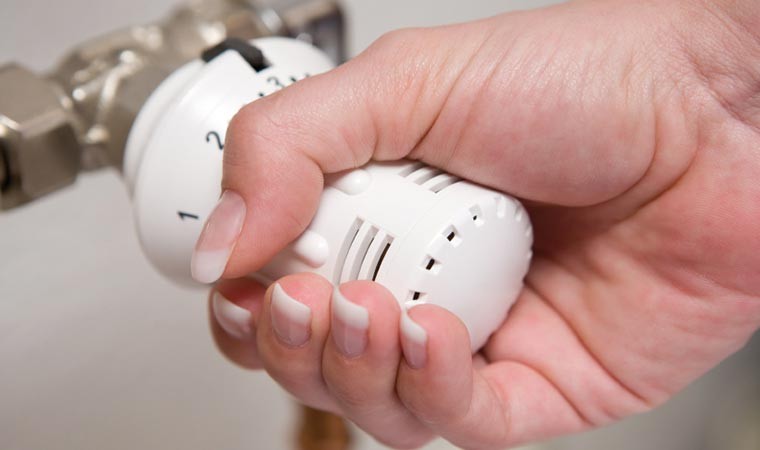
Turning down the heat
Energy prices are high, but we can all save money by shopping around for the best deal, turning down the heat and switching lights off, and insulating our homes before winter kicks in.
Which? rates energy companies
When it comes to choosing an energy supplier, the annual Which? energy satisfaction survey can be a good place to start. It rates 35 energy suppliers in the UK, including the big, traditional companies (British Gas, Eon, SSE) and smaller, fast-growing ones (Bulb, Ovo Energy). Providers are scored on criteria such as bill accuracy, value for money and customer service.
This year (2020) the three energy companies that came out on top are:
- Octopus Energy
- Pure Planet
- So Energy
Smart meters
Smart metres can be an easier and more effective way to keep to a heating budget, because they show how much energy you’ve used in pounds and pence. You will be sent an alert, by email or text, when the metre is running low and you can top it up via an app. However, you do have to be proactive and commit to changing your habits around the house.
Prepayment meters
Having a bank account and paying your energy bills by direct debit is almost always the cheaper option. If you are currently using a prepayment meter, get rid of it if you can.
Small changes, big results
These 10 bill-busting tips can help make a big difference:
- Set your heating to turn on and off at the right time so you are not heating an empty house
- Turn your heating down, even if it is just by a small amount (1°C will make a difference)
- Keep your radiators clear, don’t block them with furniture
- Use heavy curtains during the winter
- Make sure your water cylinder thermostat isn’t set too high – it should be 49°C
- Switch all appliances (TV, microwave etc) off standby mode
- Spend less time in the shower
- Use energy saving lightbulbs
- Regularly defrost your freezer – it will save you electricity
- Use an economy setting on your washing machine and wash on full loads
Who can help?
If you are struggling to pay your energy bills there is help out there. The Warm Homes Discount Scheme offers money off your electricity bill if you are on a low income. It is your electricity supplier who decides whether you qualify for the discount, so check with them first, as the number of discounts are limited.
When it comes to shopping for a better energy deal, Ofgem has a list of key points to bear in mind.
The Energy Saving Trust website is packed with tips on saving energy and water. You can also call their advice service for any independent advice.